Published: May 13, 2024
Top Solutions for Hot Upstairs & Cold Downstairs
Tired of dealing with the issue of the house hot upstairs cold downstairs? American Standard has some tips to keep every room comfortable.
Summary
Is your house hot upstairs and cold downstairs in the dog days of summer? Learn some temporary solutions and some permanent fixes to correct this temperature imbalance.
Summers are getting hotter across the United States. If you have a two-story home, this can create some unique problems in cooling your home. Do you hit a wall of heat at the top of the stairs? Is it hard to sleep? Do you toss and turn, hoping the cool side of the pillow will help you get some rest?
If you live in a multi-story home, a hot upstairs and a cold downstairs is a common problem in the summer. But the good news is there are some easy solutions to make your upstairs as comfortable as the downstairs.
Understanding the causes of uneven cooling
Before we get into solutions, it’s helpful to know a bit about the causes of the problem.
You probably already know that hot air rises and cold air sinks. That’s why the second floor of a 2-story home is generally warmer than the first level. This same principle means your unconditioned attic feels like an oven.
But beyond the physics of that, other reasons can contribute to your upstairs being hotter even when your central air conditioning system is going non-stop. Those reasons can include:
Insufficient insulation and air sealing
The efficiency of your HVAC system is affected by how well your home is insulated and sealed. It can also allow hot air in and let cold air escape. Areas of concern include your attic, attached garage, windows, and doors. Consider getting a home energy audit to identify problem areas.
Inadequate HVAC system capacity
Another reason the downstairs is cool or even cold while the upstairs is hot could be inadequate HVAC system capacity. In other words, your system doesn’t have enough power or cooling capacity to cool the whole house. This can result from improper system sizing. It can also happen because your AC unit or heat pump is old and not as efficient as it used to be.
Ductwork problems
A further issue with your HVAC system can be ductwork problems. You may have leaky air ducts and not know it. As heating and air conditioning ductwork ages, it can separate, causing leaks, or even collapse. An HVAC professional can inspect your ductwork where it’s visible and do a duct blower test to measure airflow to all rooms.
There’s nothing you can do about heat rising. But other causes of uneven cooling are fixable with a little elbow grease, ingenuity, and system upgrades.
Tips for balancing temperature in a two-story house
There are some pretty simple and inexpensive things you can do to help your upstairs feel cooler. Some more expensive upgrades can offer lasting comfort. Let’s take a look.
Simple and inexpensive
- Block the sun. Close mini-blinds or drapes during the day to keep the sun out.
- Adjust the fan setting on your thermostat. Change the fan setting from Auto to On to keep the fan blowing continually, which can help with a more even air distribution.
- Adjust air registers. Keep the air vents/air registers fully open upstairs, and partially close the air vents downstairs. This will help force more cool air upstairs.
- Maintain the filters. Be sure to change or clean your HVAC air filters regularly, based on the type of filter and your system. Dirty filters can cause your HVAC system to struggle to cool your home.
- Use ceiling fans. Turn your ceiling fans on when you are in the room to help create a wind chill effect that will make you feel cooler. There is no reason to have the fans on when you are not in the room. The possible exception is if you have a larger ceiling fan at the top of your stairs. Keeping it on can help disperse the hotter air and send it into the return vents.
- Use heat-producing appliances only in the evening. Summertime is the perfect time for grilling and for main dish salads. Try to limit your use of your stove, oven, and clothes dryer to the evening hours. They produce a lot of heat and make your air conditioner work harder to keep things cool.
- Switch to LED lightbulbs. Keep the lights off or dimmed during the day and consider replacing fluorescent or incandescent bulbs with LED lightbulbs. LED lights generate very little heat and are also more energy efficient.
More extensive home improvements to keep your upstairs cool
If you’ve tried all of the easy fixes and your upstairs still feels hot and uncomfortable, it’s time to look at some more extensive home improvements that will help increase your comfort level.
Consult with HVAC professionals to see which of these solutions is best for your home. Making changes and upgrades to your HVAC system can result in energy savings throughout the year and increased comfort, no matter what the outdoor temperature is.
HVAC repairs/upgrades/installation options include:
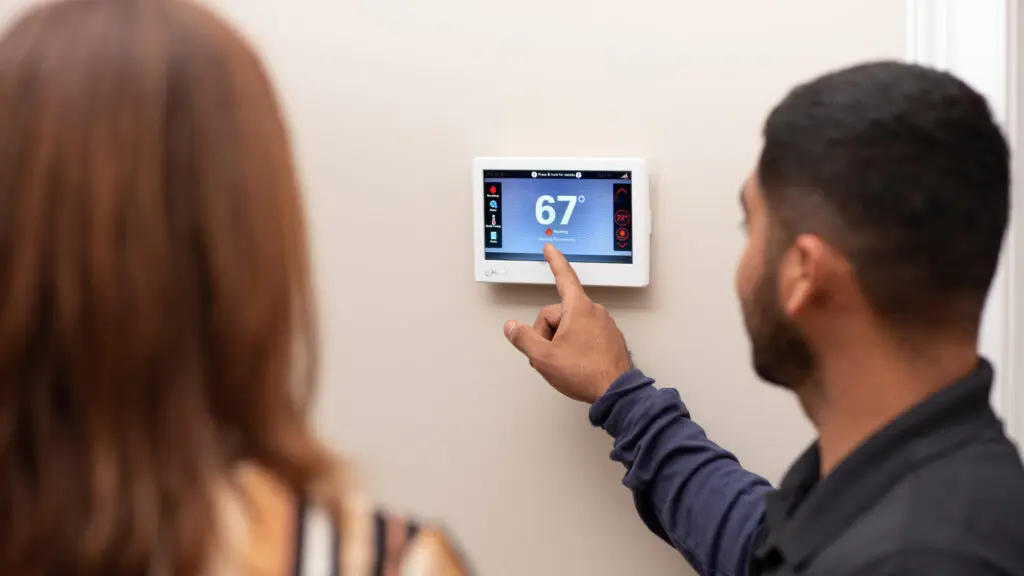
- Use/install a programmable thermostat. Install a smart thermostat if you don’t have one already. And if you do have one, learn how to use it. A smart thermostat allows you to set a cooling schedule. You can choose to raise the temperature during the day while you’re away at work but have the temperature decrease an hour or so before you come home. Then you may want to have the temperature drop slightly more overnight to help you sleep. You get increased comfort, and you can save on your utility bills.
- Seal air leaks and improve insulation. Go through your home and seal any air leaks around doors and windows, using caulk or weatherstripping. Check the attic (or have a pro do it) to look for areas where you can improve the insulation. Also, consider insulating your garage walls and garage door. If you can see daylight on the sides of the door or underneath the garage door, replace the garage door weatherstripping. There are kits available to help you insulate the door - it can make a huge difference in how the rooms above and next to an attached garage feel year-round.
- Repair leaky ducts. Hire an HVAC company near you to evaluate your ductwork and make any repairs as needed. They may also recommend adding ductwork or reconfiguring ductwork to properly heat and cool the upstairs.
- Install an attic fan. Hot air can become trapped in your attic, causing the second floor to feel uncomfortably warm. Consider installing an attic fan to help ventilate the attic and remove some of the hot air.
- Install a whole-house ventilator. You can improve ventilation and airflow for the whole house by installing a whole-house ventilator. A ventilator removes stale indoor air and preconditions the fresh outdoor air it brings in to help your HVAC system run more efficiently throughout the year.
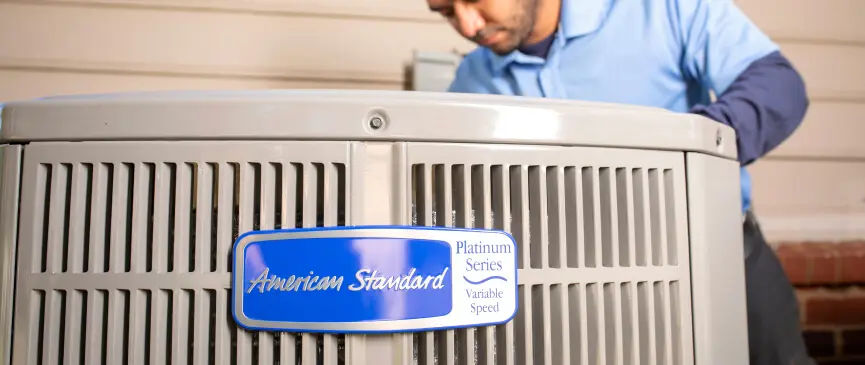
- Replace an old central air conditioner or heat pump. If your central AC unit or heat pump is 15 years or older, consider HVAC replacement. Today’s air conditioners are much more energy-efficient than older models and can likely cool your upstairs better than the existing unit. You could even consider upgrading to a heat pump system for optimal energy efficiency. Higher-efficiency units are eligible for special savings and offers.
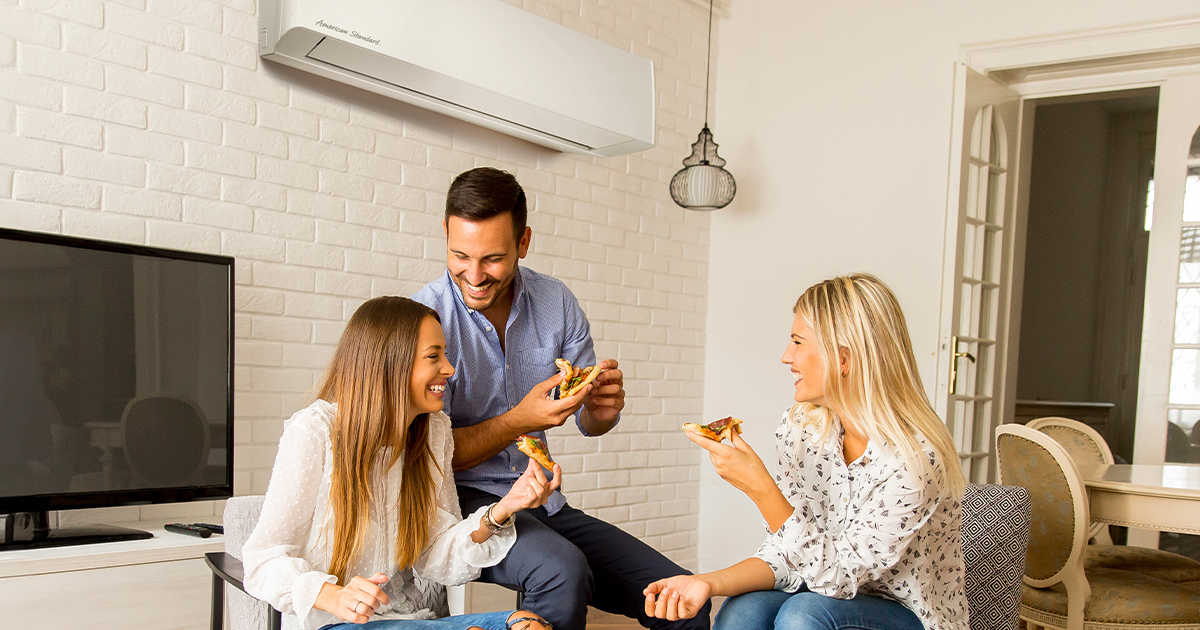
- Implement a zoning system. The surest way to ensure even cooling upstairs in the summer is to implement a zoned HVAC system. HVAC zoning is a heating and cooling system designed with several different zones, each one linked to a separate thermostat to give you full HVAC zone control. You might have one zone for downstairs and another for upstairs. It’s most cost-effective to install traditional zoning systems during new construction, but a retrofit on an existing home is possible. Another option is to add a single-zone ductless or multi-zone ductless mini-split system to your upstairs. An HVAC professional can help you sort through your options.
Contact HVAC professionals
If you want to learn more about upgrading your home’s ventilation and air conditioning system, contact your local American Standard Dealer. They can help you with anything from emergency AC repair to performing a ductwork blower test to ensuring your existing system is sized properly.
And if you choose to upgrade your HVAC system with air conditioning replacement, or install a zoned or ductless system, your local dealer can provide expert product recommendations tailored to your home and your needs. For over 100 years, we’ve designed and manufactured some of the most awarded, well-engineered heating and cooling equipment and earned a reputation for doing things right.
Expert review by Jenny Popis, Customer Communications Manager