Green HVAC Guide

Help the environment and your wallet.

Improve Your HVAC Energy Efficiency

These simple steps can help you begin saving energy, and money, when it comes to your HVAC system

Try a smart thermostat

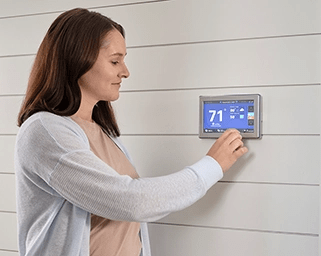
Smart thermostats let you preset the temperature in your home based on your future needs. That means your HVAC system will only be used when and how you need it, which can save you both energy and money.

Browse thermostats 


Download the American Standard Home App

Energy savings can begin with a few quick clicks. The American Standard Home App gives you remote access to your home comfort system, so you’re in control. Turn on the Energy Savings feature to optimize your energy efficiency.

Download the app 


Upgrade to electric heat

Electric heating systems don’t rely on fossil fuels to produce heat, which can help reduce your carbon footprint and energy usage. For homeowners in various climates, heat pumps are a great option.

Explore electric heat 


Research your saving options

Investing in an energy efficient system might result in big savings. Research rebates and other offers available to you when you make a commitment to a greener tomorrow.

Explore now 

Green Air Purification Systems


Don’t compromise the quality of the air you breathe. These systems can help reduce your exposure to certain viruses, as well as pollutants and particles that trigger allergies and asthma.
Air cleaners

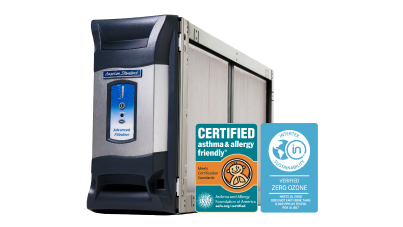
Air cleaners are an upgrade to standard filtration solutions and do a great job of removing particulate matter from your home that regular filters might’ve let slip through the cracks.

Humidifiers

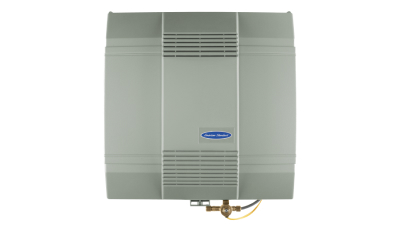
Humidifiers and dehumidifiers work to keep your indoor air at optimal humidity levels, which can benefit both your health and your home.

Ventilation

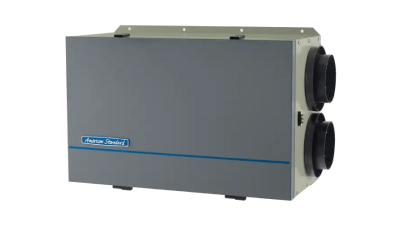
Ventilators get rid of stale, indoor air and replace it with new, fresh air. This helps eliminate smokes, fumes, and odors from the air you breathe.


Understand HVAC energy efficiency ratings

How do you know if a system is energy efficient? Start by looking at the industry-accepted energy ratings displayed on the system such as SEER2, HSPF2 and more.

The most energy-efficient systems earn ENERGY STAR® certifications from the Environmental Protection Agency.

SEER2, or Seasonal Energy Efficiency Ratio, measures the cooling efficiency of an air conditioner or heat pump throughout an entire cooling season (typically spring and summer). The higher the SEER2, the more efficient the system. SEER2 minimums vary by HVAC system type, capacity and the geographical location in which you live.

Read more about SEER2 ratings


EER2, or Energy Efficiency Ratio, measures the cooling efficiency of an air conditioner or heat pump at the outdoor temperature of 95°F. The higher the EER2, the more efficient the system. A good EER2 rating depends on the space in which the unit is installed, the type of unit, and the geographical location.

Read more about EER2 ratings


 AFUE, or Annual Fuel Utilization Efficiency, measures how efficiently a gas furnace converts fuel (gas) to energy. The higher the AFUE, the more efficient the system. AFUE ratings are measured between 0-100%. A good AFUE rating for highly efficient furnaces starts at around 80% with higher efficiencies at around 90%.

Read more about AFUE ratings


HSPF2, or Heating Seasonal Performance Factor, measures the heating efficiency of a heat pump throughout an entire heating season (typically fall and winter). The higher the HSPF2, the more efficient the system. Good HSPF2 ratings depend on where you live, the capacity of your heat pump, and more.

Read more about HSPF2 ratings


A zoned HVAC system allows separate heating and cooling zones for different areas of your home. From a dual-zone HVAC system to a multi-zone HVAC system, you have precise control of the temperature and humidity to provide optimal comfort and energy efficiency.

Read more about HVAC zoning ratings


Your HVAC system has return air vents that pull in hot and humid or cold air depending on the season and send it to the HVAC unit for heating or cooling. Return vents are typically located on the wall or the ceiling. Depending on the size of the vent, it may have a filter. Change the filter regularly, and keep the return vents free of dust and obstructions to increase return air capacity and reduce the load on your HVAC system


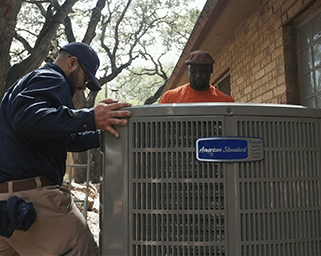
Regular HVAC maintenance helps your system run most efficiently and prolongs the life of the system. Consider a seasonal maintenance plan where you get an AC tuneup in the spring and a furnace tuneup in the fall. Schedule the same seasonal maintenance for your heat pump.  A thorough cleaning and check of your systems help prevent small issues from turning into expensive HVAC repairs.

Read more about HVAC maintenance


A dual-fuel system, which pairs a heat pump with a gas furnace, is an ideal solution for regions with bitterly cold winters. The heat pump handles heating and cooling most of the year, while the furnace takes over in extreme cold. 

Read more about dual-fuel systems


HVAC Energy Saving Tips

Families spend nearly $2,000 per year1 on average on their energy bills. You could save money and boostyour home’s energy efficiency with a few simple tricks.
Get an energy audit to save more

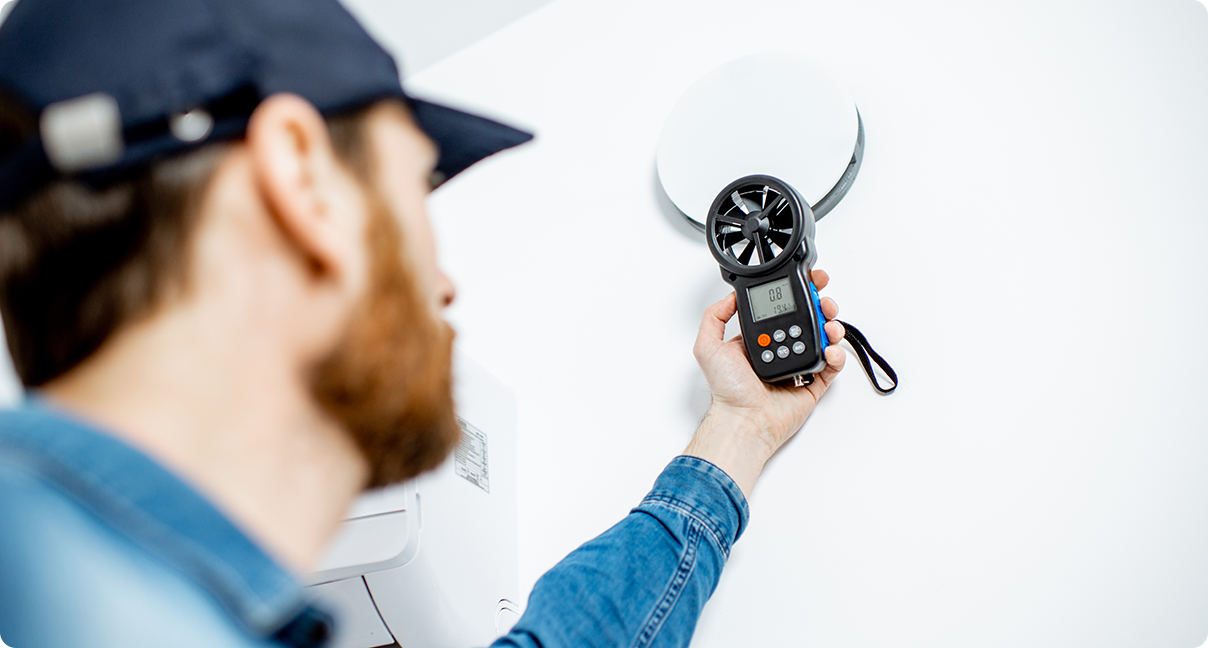
Before you invest in a new HVAC system, get an energy audit or home energy assessment from a certified company to see how making some simple changes and upgrades can help your system run more efficiently while increasing your comfort at the same time.  

Weatherize your home

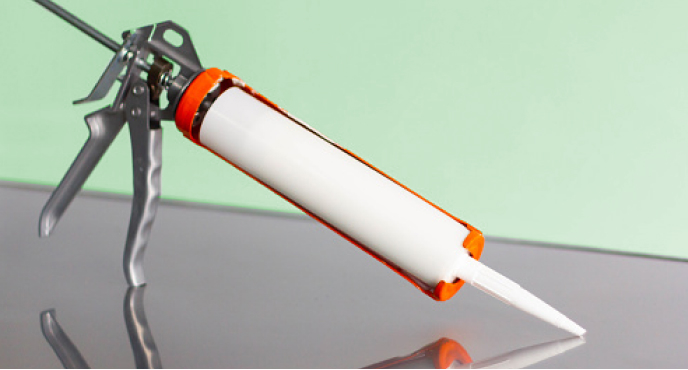
To optimize your home’s energy efficiency, including your HVAC system, you need to keep conditioned air inside and hot or cold air outside. By reducing your home’s heat loss, you’ll be more comfortable and save energy at the same time. Implement the energy-saving upgrades from your energy audit. These can include sealing cracks around doors and windows, adding insulation, and more.

Upgrade to a smart thermostat

Upgrading to a smart thermostat makes it easy to maintain energy-saving thermostat settings.  When you’re at home, consider setting your thermostat at 78 ℉ in the summer and 68 ℉ in the winter. You can raise or lower the temperature setting when you’re away from home or asleep. You stay comfortable while saving on energy costs and conserving energy. Get extra peace of mind by opting into American Standard Diagnostics.

Cover your pots and pans on the stove

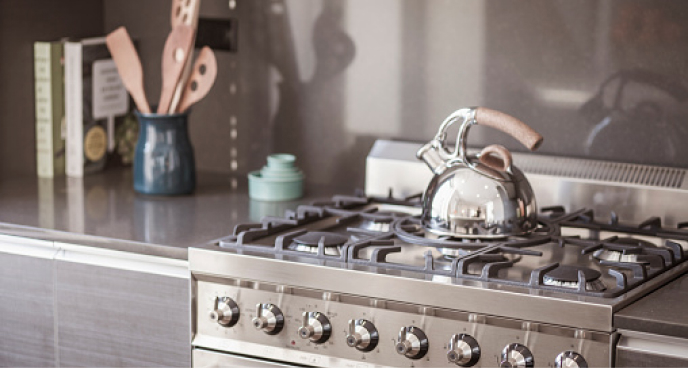
Covering your pots and pans helps keep heat inside, which increases temperature and reduces cooking times. According to ENERGY STAR®, covering while cooking on an electric cook top reduces your carbon footprint by about 85 lbs of carbon dioxide per year.**

Try energy efficient light bulbs

According to ENERGY STAR®, on average, nearly 11% of your energy budget goes to lighting your home. Using efficient, ENERGY STAR®-qualified LED light bulbs can reduce your energy use by up to 90% over standard bulbs. LED bulbs also produce less heat, which can help with air conditioning efficiency.

Invest in smart power strips

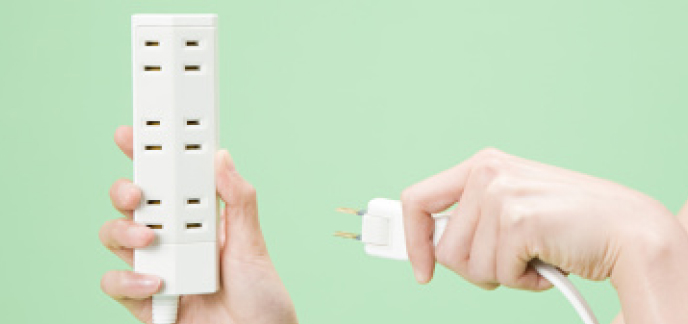
If your appliance is plugged in, it’s using energy (even if it’s off). Smart power strips help eliminate wasted energy use and cost by turning power off completely when you’re not using your device. Or, you can unplug all electronics when they’re not actively in use.**

Take advantage of heat pump rebates

The state-run heat pump rebate programs in the Inflation Reduction Act of 2022 can help you pay for these upgrades. Different states have different eligibility requirements for heat pump rebates and any necessary electrical upgrades. Visit our Offers, Rebates, and Tax Credits page to find incentives available in your area.

Refrigerant Innovation for a Better Tomorrow

Industry regulations require a switch to a more sustainable refrigerant to reduce negative climate impact. 

Backed by engineering excellence and an innovative spirit, American Standard is committed to a greener future and is ready to assist homeowners throughout the process. We are transitioning to a new refrigerant called R-454B.  


This refrigerant has a lower global warming potential (GWP) and zero ozone depletion potential (ODP) compared to previous refrigerants. We’ve been testing products with R-454B behind the scenes for years to ensure they deliver the reliable performance American Standard is known for. This transition is a large step in the effort to reduce greenhouse gas emissions.

Building a More Sustainable Future

From next-generation technology like remote diagnostics and real-time job site assistance to indoor air quality and improvements in sustainability, we are always looking to design for the future.

You can help us change the world by making small adjustments at home, whether that’s turning off the lights before you head out for the day, adjusting your thermostat, or upgrading to a more efficient heating and cooling system for your home.
Learn more about going green